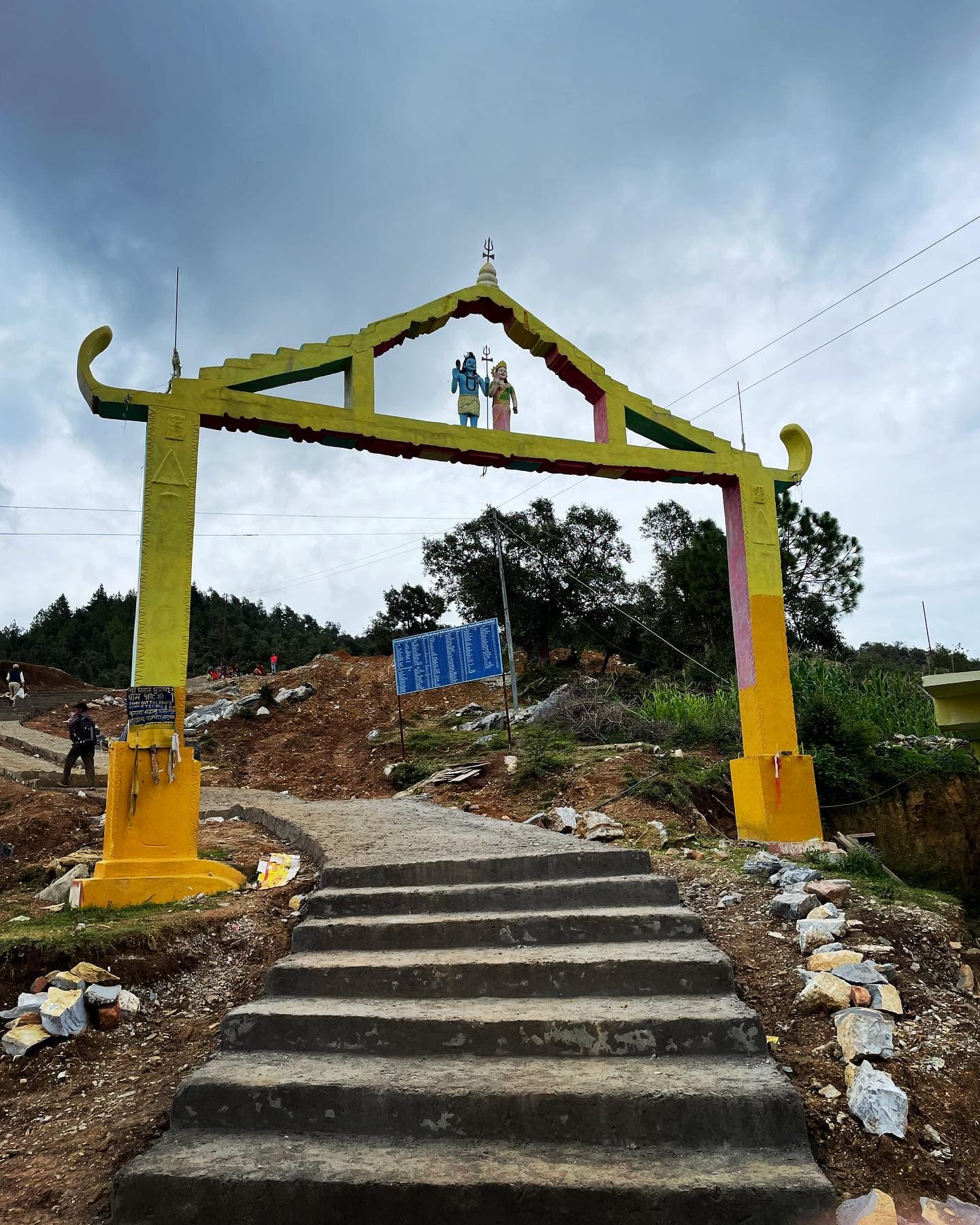
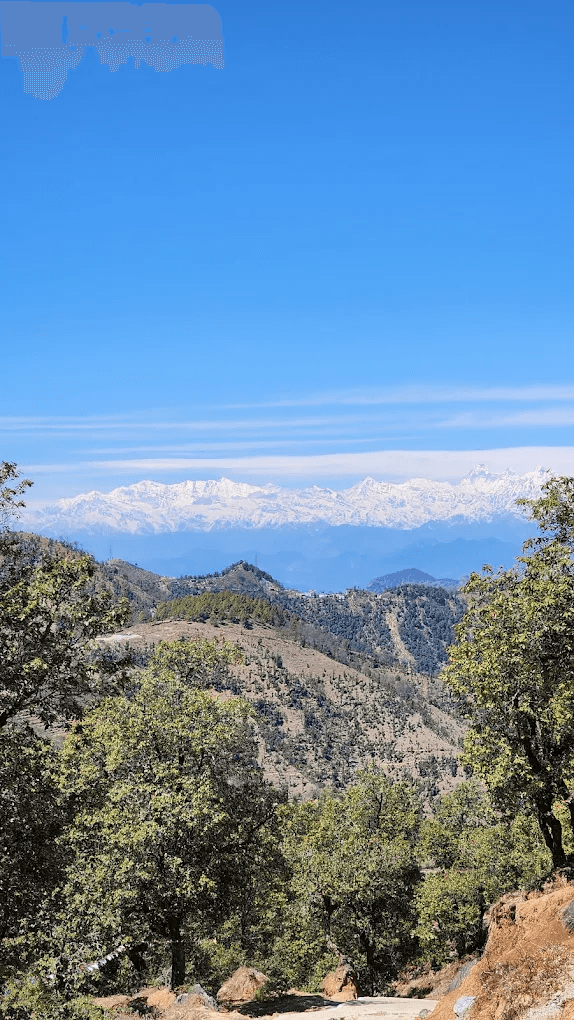
Baitadi, Sudurpaschim, Nepal • Remote Exploration Site


About the Cave
About Patal Bhuvaneshwar
Cave Nepal
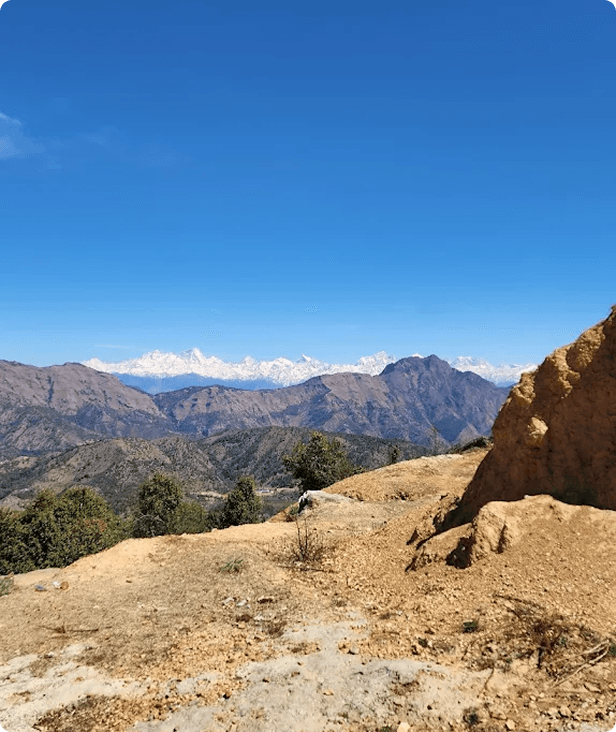
Patal Bhuvaneshwar Cave Nepal is a remote limestone cave system located in Baitadi District, Sudurpaschim Province, in far-western Nepal.
Unlike many developed tourist caves, Patal Bhuvaneshwar Cave remains largely natural, under-documented, and physically demanding. It is known for its narrow underground passages, deep descending sections, limestone formations, local cultural importance, and continuing exploration interest.
This cave is not a casual walk-through attraction. It is better understood as a remote cave exploration site with geological, cultural, safety, and research value.
This guide is created to help visitors, researchers, local stakeholders, and responsible travelers understand the cave before making any plan to visit or explore it.

A Remote Limestone Cave
System in Baitadi
Patal Bhuvaneshwar Cave is located in the hill region of Baitadi, a district in Sudurpaschim Province of Nepal. The cave sits away from Nepal's more common travel routes, which is one reason it remains far less known online compared to caves near Pokhara, Bandipur, Kathmandu, or other established visitor areas.
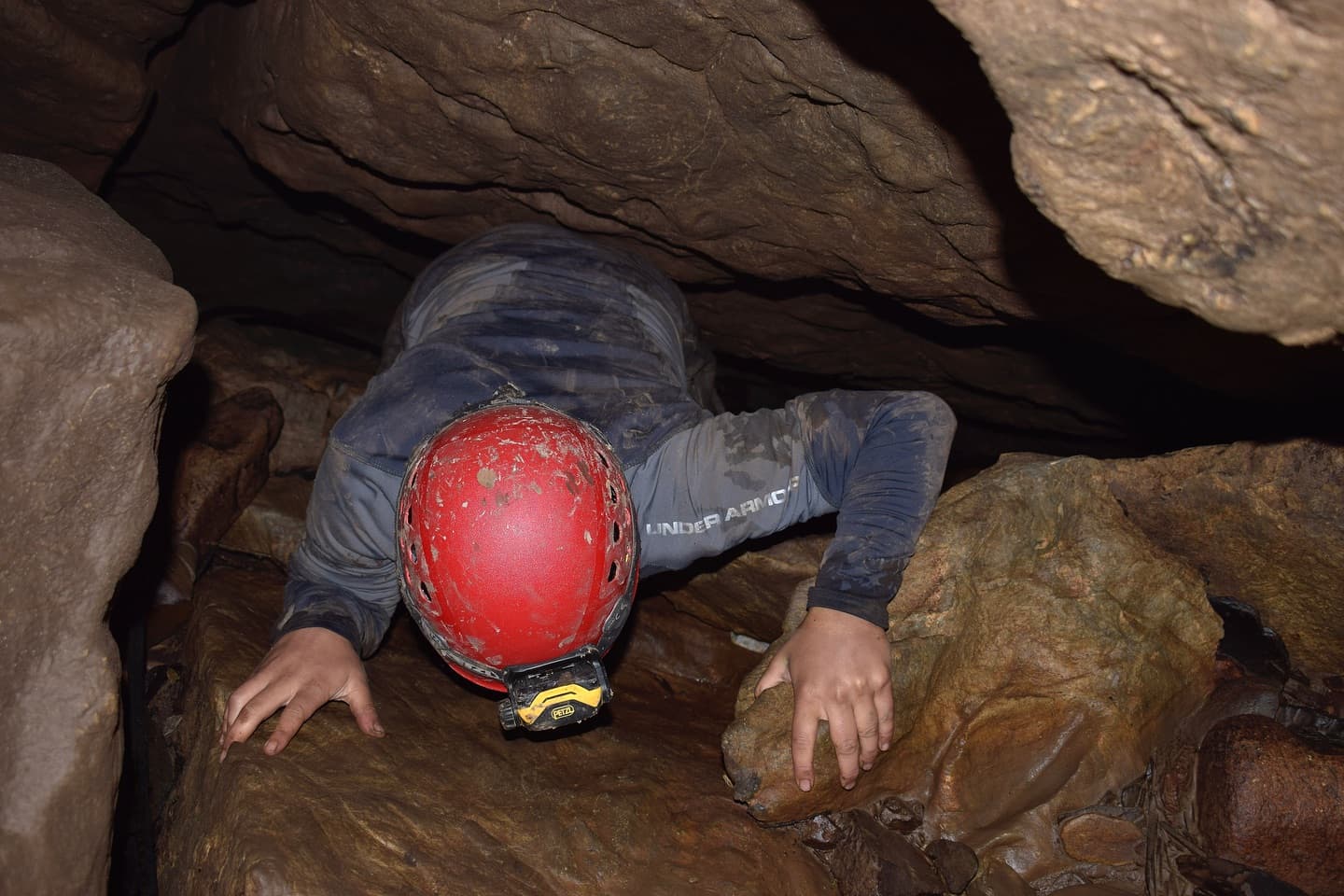
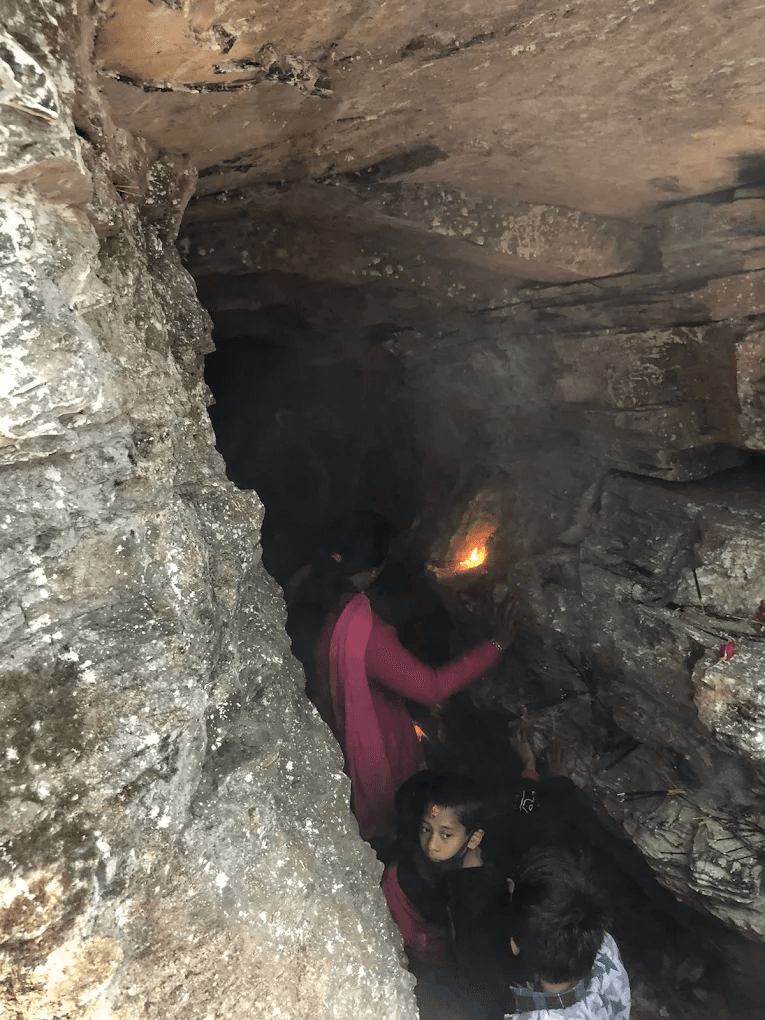
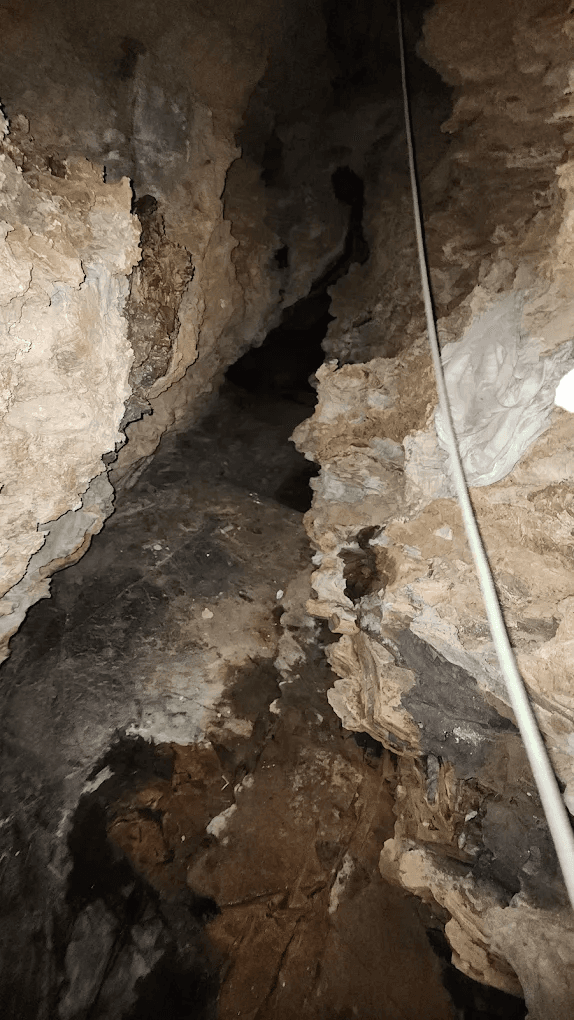
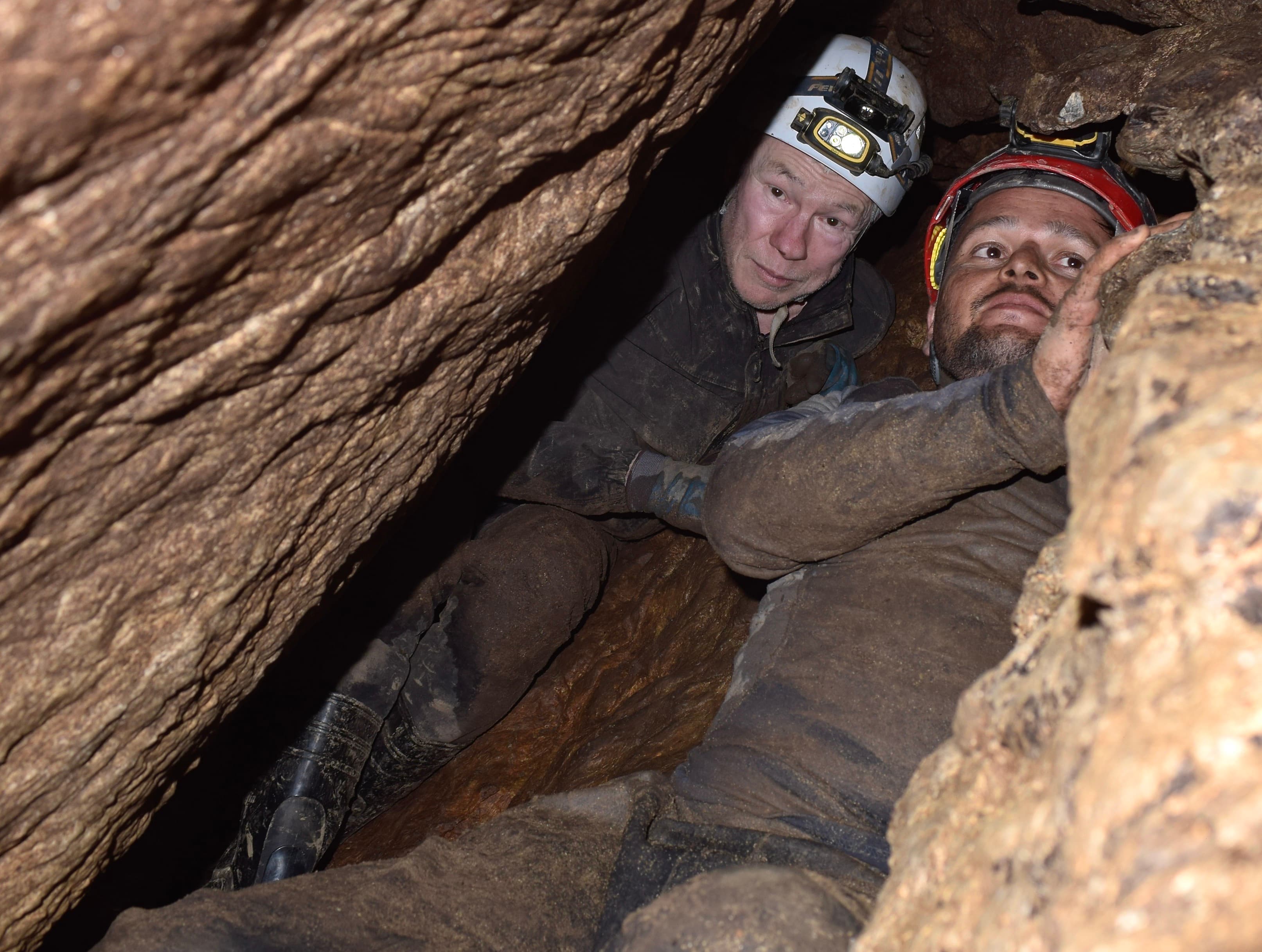
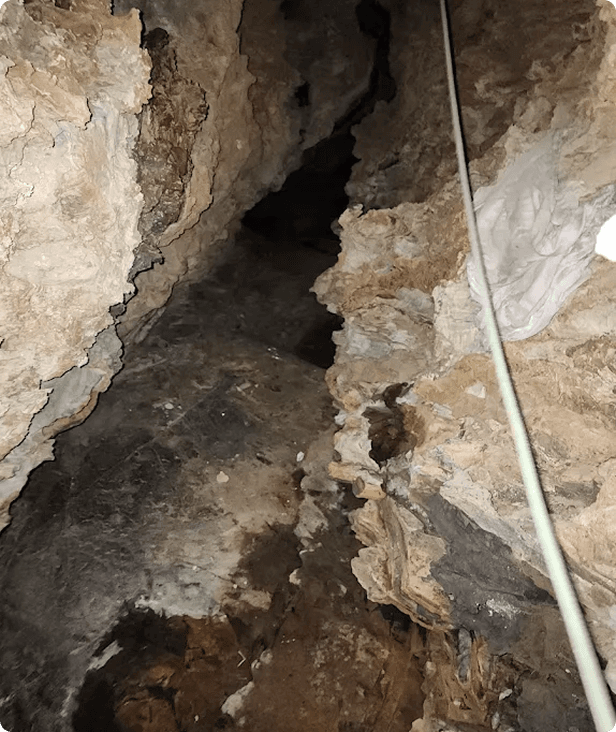
The cave is formed in limestone, shaped over a long period by underground water movement, erosion, and natural geological processes. Inside, the passage system includes narrow sections, damp surfaces, steep descents, and areas where movement may require crawling, squeezing, climbing, or rope-assisted support.
Because the cave has not been fully developed for public tourism, visitors should approach it with caution, preparation, and respect.
Where Is Patal Bhuvaneshwar Cave Located?
Patal Bhuvaneshwar Cave is located in far-western Nepal.
The wider area is known locally and has religious, cultural, and natural importance. However, visitors should always verify current access, local rules, road conditions, and safety information before traveling.

What Is Currently Known
About the Cave?
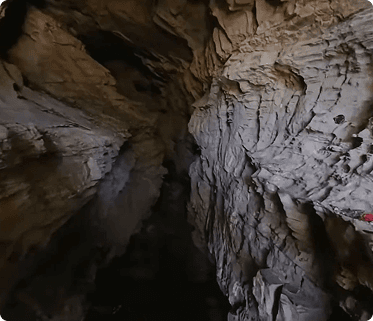
Available exploration notes and local reports describe Patal Bhuvaneshwar Cave as a deep, narrow, and physically demanding cave system. Some early exploration references mention approximately 800 meters of explored passage and a reported depth of around 160 meters. However, these figures should be treated carefully. The cave has not been fully mapped, and some deeper or narrower sections remain difficult to measure because of safety constraints, narrow continuations, and limited rescue infrastructure.
Safe Summary Of Known Understanding
- Patal Bhuvaneshwar Cave is a natural limestone cave system.

- It contains narrow underground passages and descending sections.
- Early exploration reportedly reached hundreds of meters inside the cave.
- The full length and depth remain uncertain.
- A depth of around 160 meters has been reported in exploration notes.
- The cave should not be treated as fully developed or fully understood.
- Further scientific mapping is needed.

Is Patal Bhuvaneshwar Cave the
Deepest Cave in Nepal?
Patal Bhuvaneshwar Cave is sometimes described as one of Nepal's deepest known cave systems. Some reports suggest that it may be deeper than better-known caves in Nepal.
However, this should not be presented as a fully confirmed fact.
A safer and more accurate way to understand it is:
Patal Bhuvaneshwar Cave may be among Nepal's deepest known cave systems based on reported exploration, but complete scientific measurement and mapping are still needed.
This matters because cave depth, total passage length, internal continuation, and safe access all require proper survey work.
Until detailed mapping is completed, the cave should be described as a significant and promising cave system, not with exaggerated or final claims.
How This Cave Differs from
Developed Tourist Caves
Patal Bhuvaneshwar Cave is very different from the caves many travelers may know in Nepal.
| Feature | Patal Bhuvaneshwar Cave | Developed Tourist Caves |
|---|---|---|
| Lighting | No built lighting in shallow areas | Often available |
| Pathways | Natural, uneven, narrow | Usually improved |
| Safety Support | Limited | More accessible |
| Difficulty | High in deeper sections | Low to moderate |
| Mapping | Incomplete | Usually known |
| Visitor Type | Prepared visitors, explorers, researchers | General tourists |
| Rescue Access | Difficult | Easier in most cases |
This difference is very important.
Visitors should not assume that Patal Bhuvaneshwar Cave can be entered casually like a common tourist cave. Even if the cave entrance or surrounding area can be visited, deeper entry requires serious preparation.
What Visitors Should Understand
Before Planning
Patal Bhuvaneshwar Cave is not suitable for everyone.
The cave may involve:
- Complete darkness
- Damp and slippery rock
- Narrow limestone passages
- Steep descents
- Rope-assisted movement
- Crawling or squeezing
- Physical exhaustion
- Claustrophobia risk
- Limited rescue options
Visitors with mobility issues, breathing problems, heart conditions, back pain, joint problems, severe fear of confined spaces, or limited physical fitness should avoid deeper cave entry.
Even fit visitors should not enter alone or without local guidance and proper equipment.
For detailed preparation advice, read the Safety & Preparation page before making any plan.
Responsible Understanding
of Patal Bhuvaneshwar Cave
Patal Bhuvaneshwar Cave should be understood with balance.
It is a place of:
- Natural geological interest
- Local cultural meaning
- Exploration potential
- Safety sensitivity
- Conservation importance
It should not be reduced to a quick travel package, a social media adventure spot, or an exaggerated "deepest cave" headline.
The best way to approach the cave is with patience, respect, and proper information.
Responsible Visitors Should:
- Learn about the cave before visiting
- Verify local access conditions
- Follow community guidance
- Avoid unsafe deep entry
- Respect religious and cultural sensitivity
- Avoid damaging cave formations
- Leave no waste behind
- Share accurate information only
Why This Website Exists
This website provides public information about Patal Bhuvaneshwar Cave Nepal for awareness, visitor education, safety preparation, cultural respect, and responsible travel planning.
It is maintained as an independent visitor-information resource by BidMyTrip.ai to support better destination understanding in Nepal.
This website is not an official government website, not a rescue service, and not a replacement for local guidance. Conditions, access, rules, and safety risks may change, so visitors should always verify details locally before traveling or entering the cave.
Plan Your Next Step
If you are learning about Patal Bhuvaneshwar Cave for the first time, start with the basics. Understand what the cave is, why it matters, and why safety preparation is essential.
Exploration & Research
Learn about reported exploration, depth claims, mapping needs, and future research potential.
Safety & Preparation
Read essential safety information before considering any cave entry.
Visit & Access Guide
Understand how to plan a careful visit, what to verify locally, and what facilities may be limited.
Learn Before You Travel
Patal Bhuvaneshwar Cave is a special place, but it requires awareness and responsibility.
Before planning a visit, understand the cave conditions, local context, and safety requirements.
Planning a wider Nepal journey? BidMyTrip.ai can help you compare custom Nepal travel ideas beyond this cave guide.
Frequently Asked Questions
Where is Patal Bhuvaneshwar Cave Nepal located?
Patal Bhuvaneshwar Cave is located in Baitadi District, Sudurpaschim Province, in far-western Nepal. The cave is part of a remote hill landscape and is connected with local cultural and natural significance.
What is Patal Bhuvaneshwar Cave known for?
Patal Bhuvaneshwar Cave is known for its limestone structure, narrow underground passages, reported deep sections, exploration interest, local cultural importance, and undeveloped natural condition.
Is Patal Bhuvaneshwar Cave fully explored?
No. The cave has not been fully explored or scientifically mapped. Early exploration reports describe significant passage length and depth, but the full internal system remains uncertain.
Is Patal Bhuvaneshwar Cave the deepest cave in Nepal?
Some reports suggest that Patal Bhuvaneshwar Cave may be among Nepal's deepest known cave systems. However, complete scientific mapping is still needed before making a confirmed claim.
Is Patal Bhuvaneshwar Cave open for tourists?
The cave should not be treated as a developed tourist cave. The surrounding area may be visited with local guidance, but deeper cave entry requires preparation, proper equipment, and serious safety awareness.
Can beginners enter Patal Bhuvaneshwar Cave?
Beginners should not attempt deeper sections of the cave. The cave includes narrow passages, slippery surfaces, darkness, and difficult movement. Any entry should be guided, cautious, and based on current local conditions.
Why is safety important at Patal Bhuvaneshwar Cave?
Safety is important because the cave is undeveloped and physically demanding. There may be no built lighting, no formal pathways, limited rescue support, and difficult underground sections.
What should I read next before visiting?
Before planning a visit, read the Visit & Access Guide and Safety & Preparation pages. These pages explain access conditions, visitor suitability, equipment, seasonal risks, and local guidance.


Final Note
Patal Bhuvaneshwar Cave is an evolving exploration site with significant geological and scientific potential. Visitors should approach it with preparation, awareness, and respect for both its natural environment and local context.