Baitadi, Sudurpaschim, Nepal • Remote Exploration Site


Safety & Preparation
Safety & Preparation for Patal
Bhuvaneshwar Cave
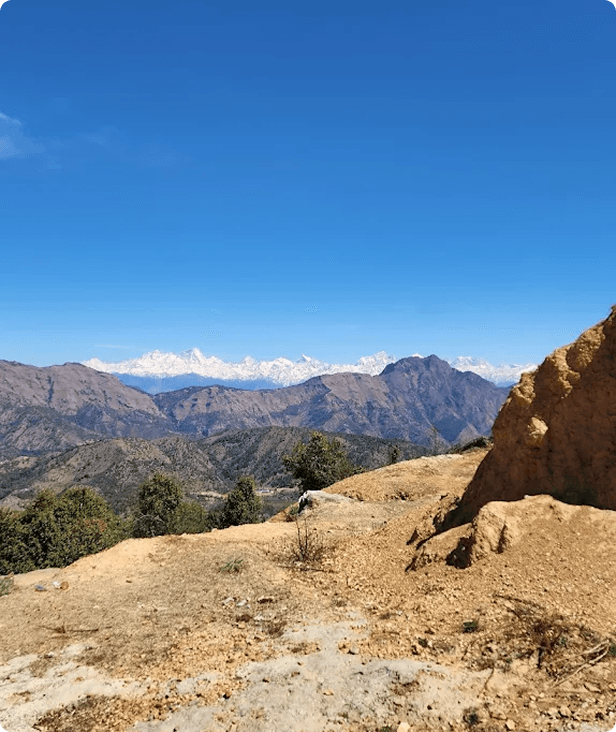
Patal Bhuvaneshwar Cave Nepal is a remote limestone cave system in Baitadi, Sudurpaschim Province. It is known for narrow underground passages, steep descents, damp limestone surfaces, exploration interest, and local cultural importance.
This is not a developed walk-through tourist cave.
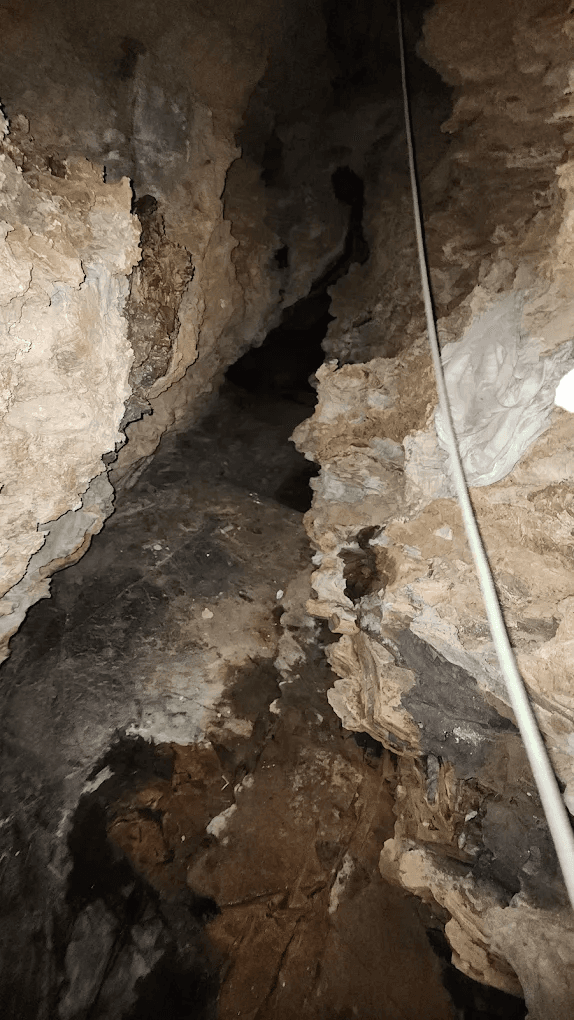
Deep sections of Patal Bhuvaneshwar Cave may involve complete darkness, slippery rock, rope-assisted descents, crawling, tight passages, fatigue, and limited rescue options. Visitors should not enter the cave casually or without proper preparation.
This safety guide is designed to help visitors, researchers, explorers, and local stakeholders understand the risks before planning any cave entry.

Important Safety Notice
Patal Bhuvaneshwar Cave should not be treated as a casual tourist attraction.
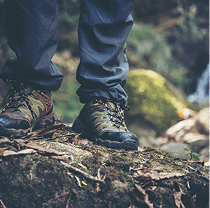
The cave is undeveloped, physically demanding, largely unmapped, and safety-sensitive. Available site notes describe it as a true exploration environment with tight crawling passages, rope-assisted descents, slippery terrain, no built lighting, no formal pathways, and limited rescue infrastructure.
If you are unsure about your fitness, equipment, local guidance, weather, or cave conditions, do not enter deeper sections.
A safe decision to turn back is always better than a risky attempt to continue.
Not a Casual Tourist Cave
Key Risks
- Narrow confined sections

- Slippery surfaces
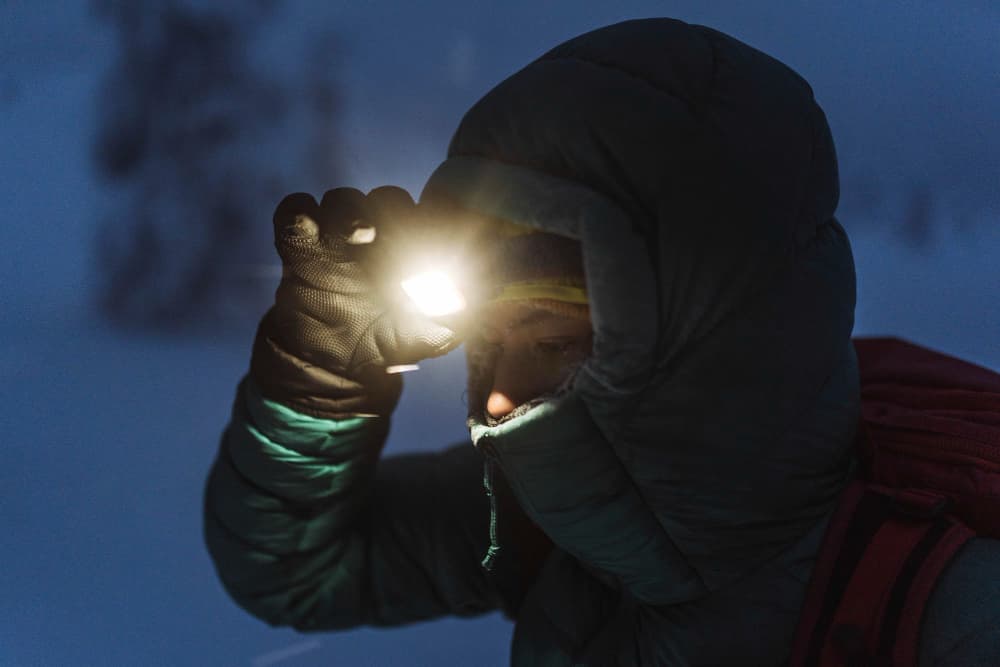
- Limited visibility
- No formal rescue infrastructure
SAFE CAVING BASICS
- Carry at least 2–3 headlamps
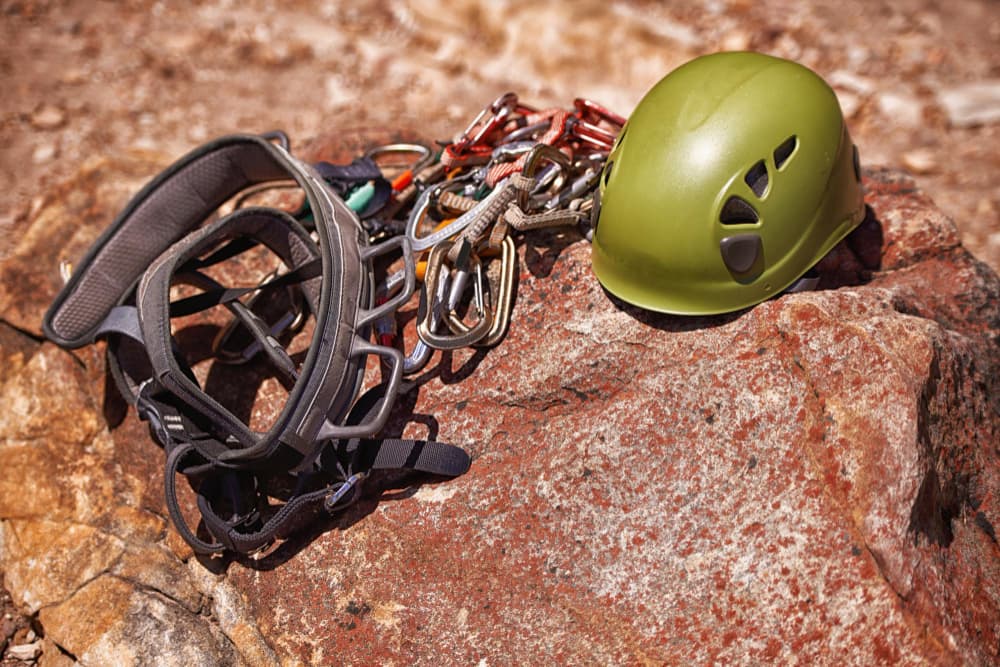
- Always wear a helmet
- Never explore alone
- Carry water and energy supplies
- Inform someone before entering
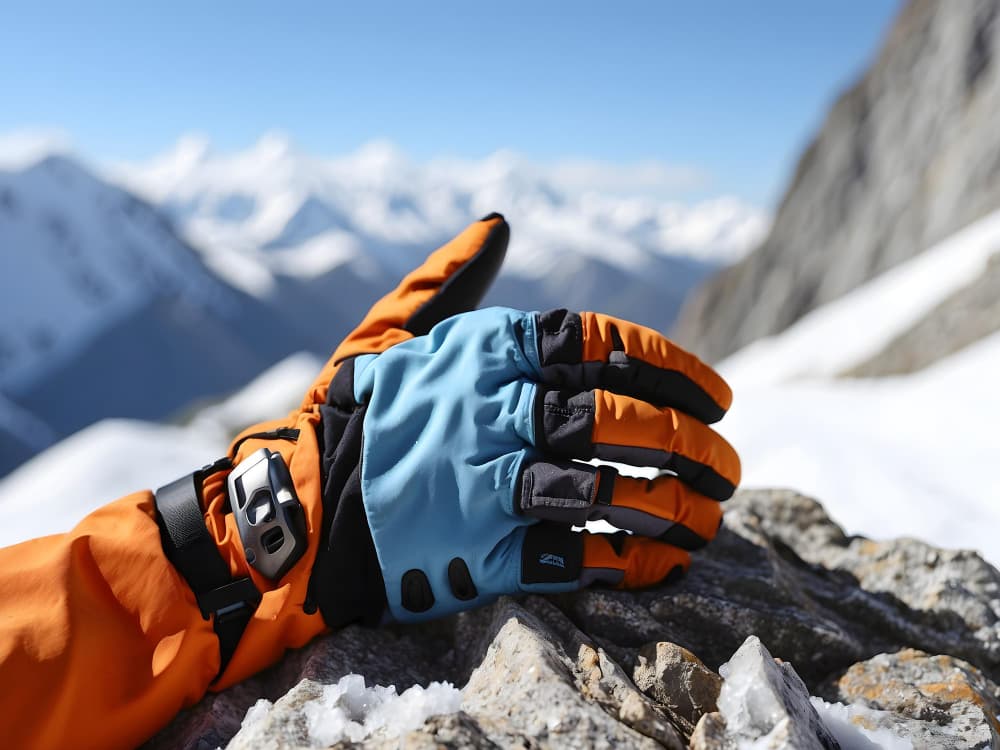
Essential Equipment
Patal Bhuvaneshwar Cave is an evolving exploration site with significant geological and scientific potential. Visitors should approach it with preparation, awareness, and respect for both its natural environment and local context.